
-
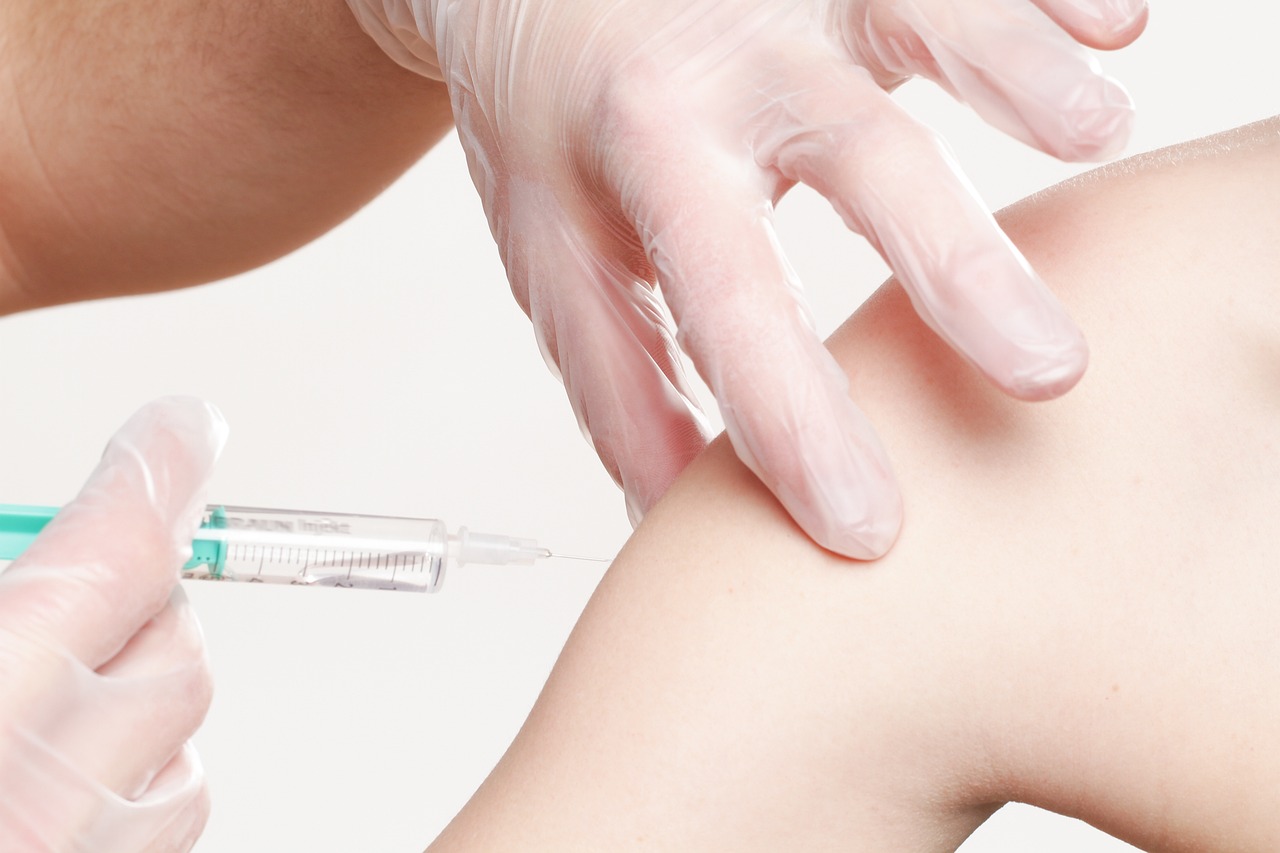
09/11/26 Health Advisory: 2026–2027 Respiratory Illness Season Immunization Recommendations
Summary of 2026-27 guidance from AAP, AAFP, ACOG, and IDSA: We recommend you rely on evidence-based immunization guidance from trusted national medical specialty societies, including: Find a summary of their recommendations below, as well as at SpreadTheFacts.org. For more detail, see the childhood and adult vaccine schedules and guidelines for immunocompromised patients (the brief summary below does not include guidance…
-

09/28/23 Health Advisory: 2023–2024 Respiratory Illness Season
Communicable Disease and Immunization Update, COVID-19, Influenza, News and Alerts, Provider ResourcesThis 2023–2024 respiratory illness season, we’re monitoring 3 common causes of respiratory illness that circulate in Pierce County: influenza, respiratory syncytial virus (RSV), and COVID-19. Influenza Centers for Disease Control and Prevention (CDC) estimates that in the United States last flu season (2022–2023) caused: Those at highest risk for severe illness include: Guidelines RSV RSV…
-

09/20/23 Health Advisory: New COVID-19 Vaccines Authorized, Previous Bivalent COVID-19 Vaccines Deauthorized
Advisory or Update, Communicable Disease and Immunization Update, COVID-19, Health Advisory, News and Alerts, Provider ResourcesOn Sept. 11, 2023, U.S. Food and Drug Administration (FDA) authorized for emergency use new, updated (2023–2024) COVID-19 vaccines from Moderna and Pfizer. On Sept. 12, 2023, Centers for Disease Control and Prevention (CDC) recommended everyone 6 months or older get new, updated (2023–2024) COVID-19 vaccine. The federal government will no longer provide COVID-19 vaccine.…
-

07/06/23 Health Advisory: Syphilis Treatment Impacted by Bicillin L-A Shortage
Penicillin G benzathine (Bicillin L-A) is in short supply due to increased demand. Syphilis is increasing in all groups, especially in heterosexual people. Reserve Bicillin L-A for pregnant people with or exposed to syphilis, or babies with congenital syphilis. Read on for syphilis: Treatment. Testing with reverse algorithm. Reserve Bicillin L-A for pregnant people. Reserve…
-
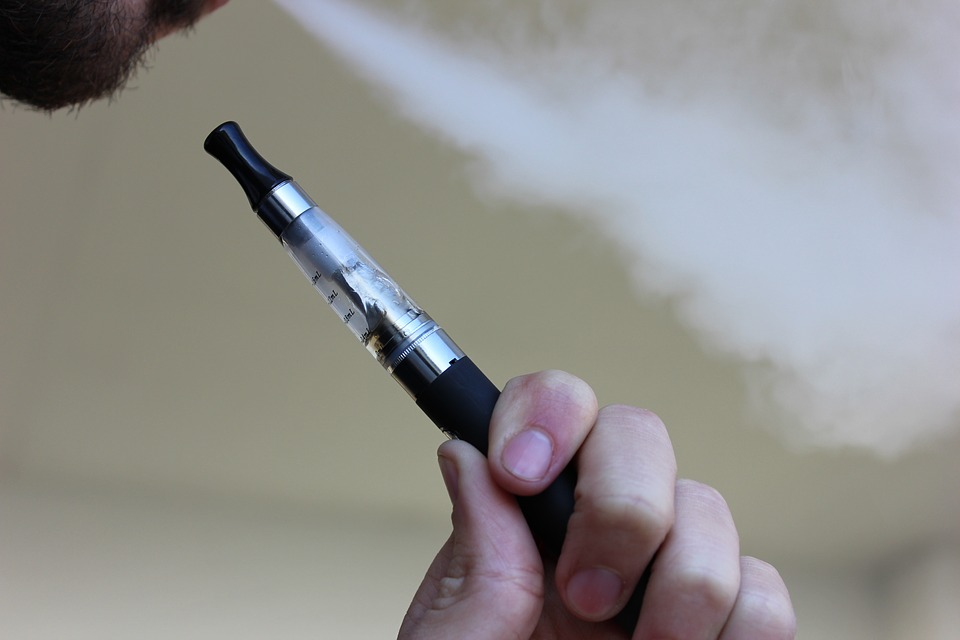
Vaping-associated Pulmonary Illness
CDC Urges Clinicians to Report Cases of Unexplained Vaping-associated Pulmonary Illness Multiple cases of severe pulmonary disease in patients who use vape products have occurred in Wisconsin and Illinois. Requested actions Ask patients who present with respiratory or pulmonary illness if they vape THC or e-juice. Determine what kind of THC or e-juice they’ve vaped,…
-

-
Hepatitis A Fact Sheet
Overview Transmission: Fecal-oral. Incubation Period: Average 28-30 days (range 15-50 days). Symptoms: Anorexia, vomiting, abdominal pain, fatigue, followed by jaundice. Severity of illness increases with age. Infectious Period: 14 days prior to onset of jaundice to seven days after onset of jaundice. Infants can excrete virus in the stool for longer periods of time. Epidemiology:…
-
“What is Public Health?” from American Public Health Association
Learn why public health is essential in American Public Health Association’s “What Is Public Health?” article. Read Fact Sheet →
-
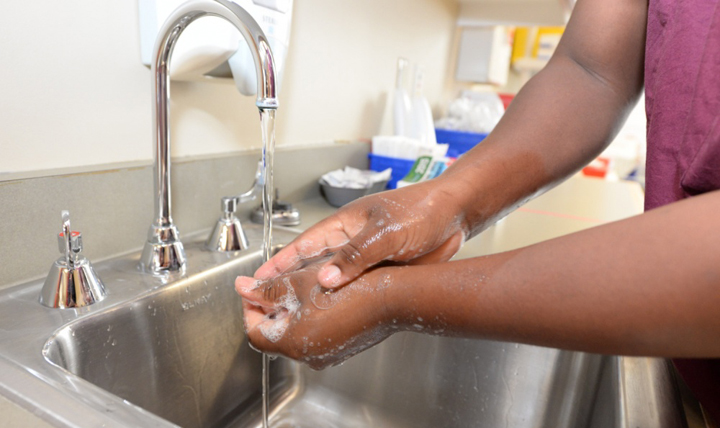
Hand Hygiene In Healthcare Settings
What is hand hygiene? Hand hygiene refers to the use of hand washing with soap and water or alcohol hand sanitizer (60% alcohol or greater) in order to reduce infection rates, reduce transmission of antimicrobial resistant organisms and stop outbreaks of communicable disease. Why is hand hygiene important? When should I use hand hygiene? How…